Destination/Pacific coast, Mexico
Most destination content is a reel of disconnected clips: a beach, a plate of food, a pool, a sunset. It looks pleasant and sells nothing, because the viewer is never taken anywhere. This piece was built as one arc instead. Departure, transit, arrival, and the experience itself, cut so a viewer arrives somewhere emotionally rather than simply seeing a place.
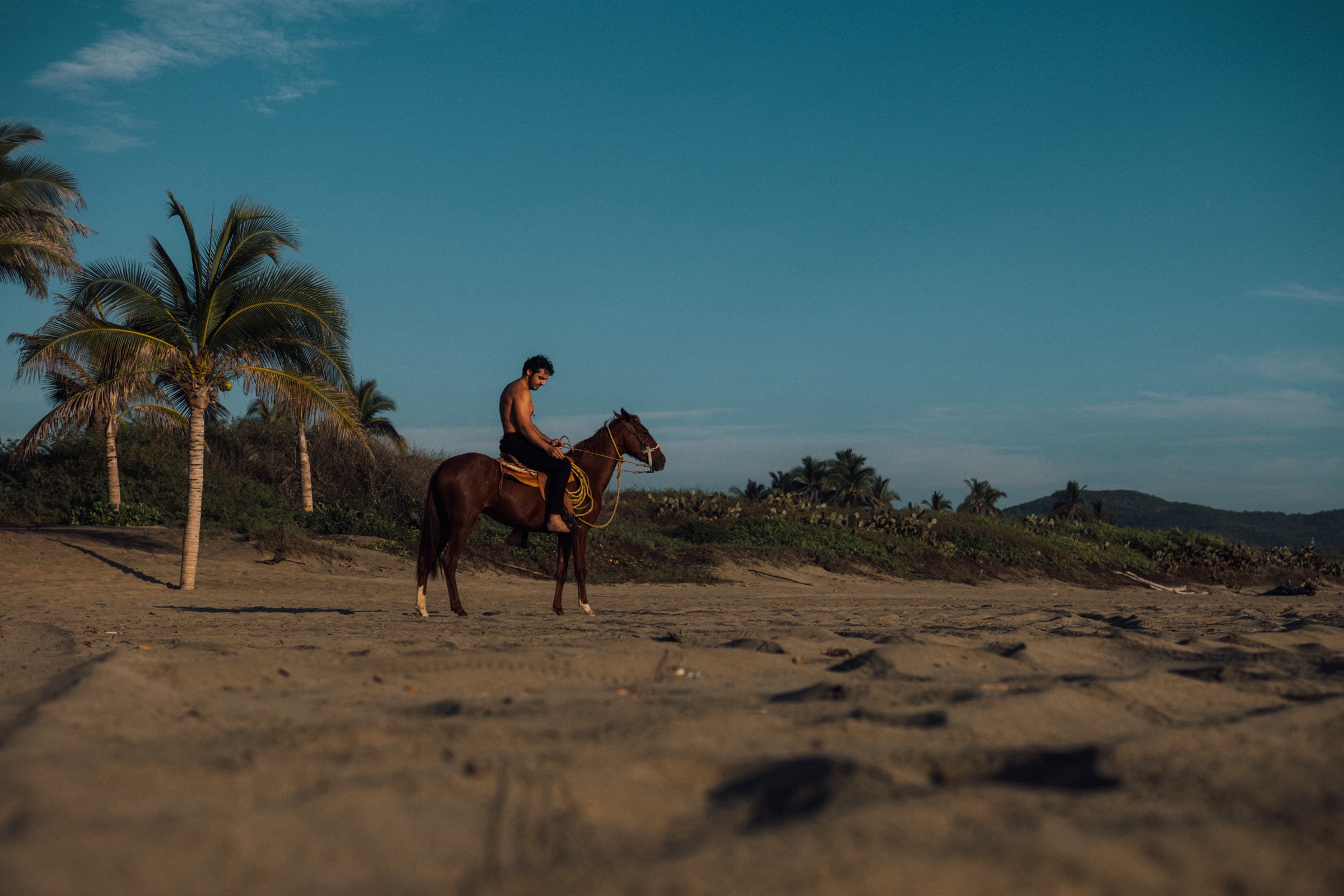
The first frames are deliberately quiet and empty. Open shoreline before anyone is awake, cold blue light, no people. A destination film that opens on its own climax has nowhere left to go, so this one opens on absence.
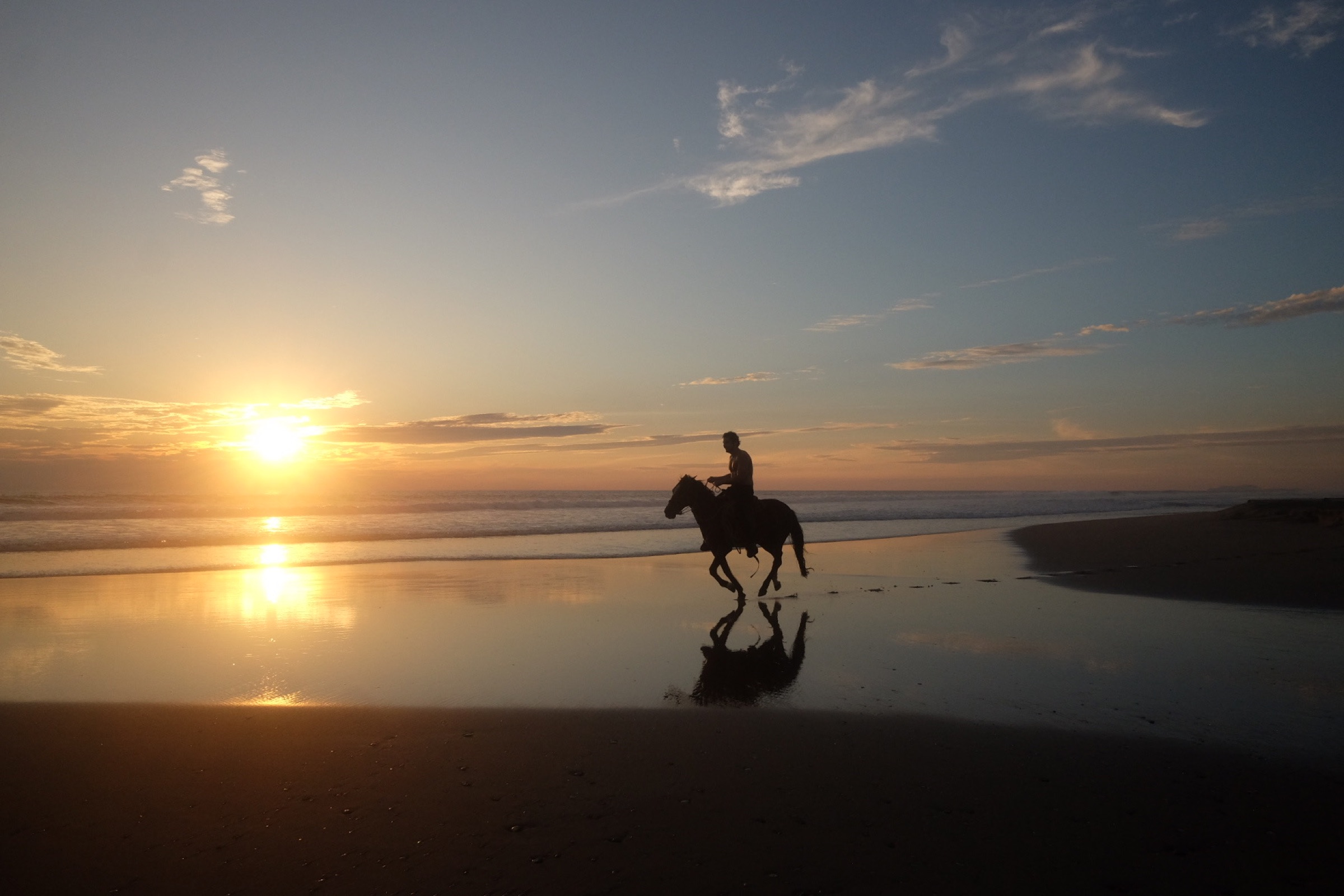
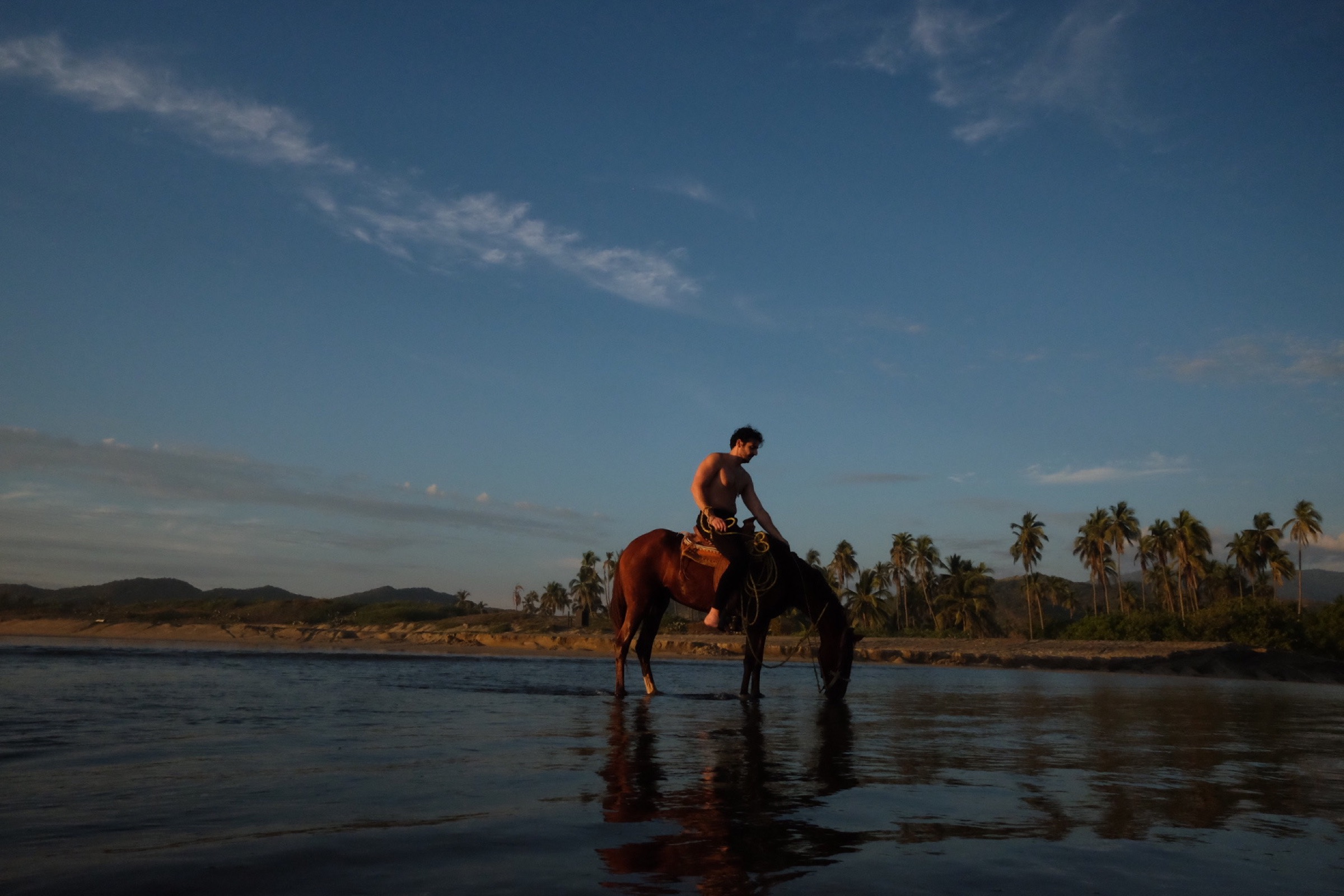
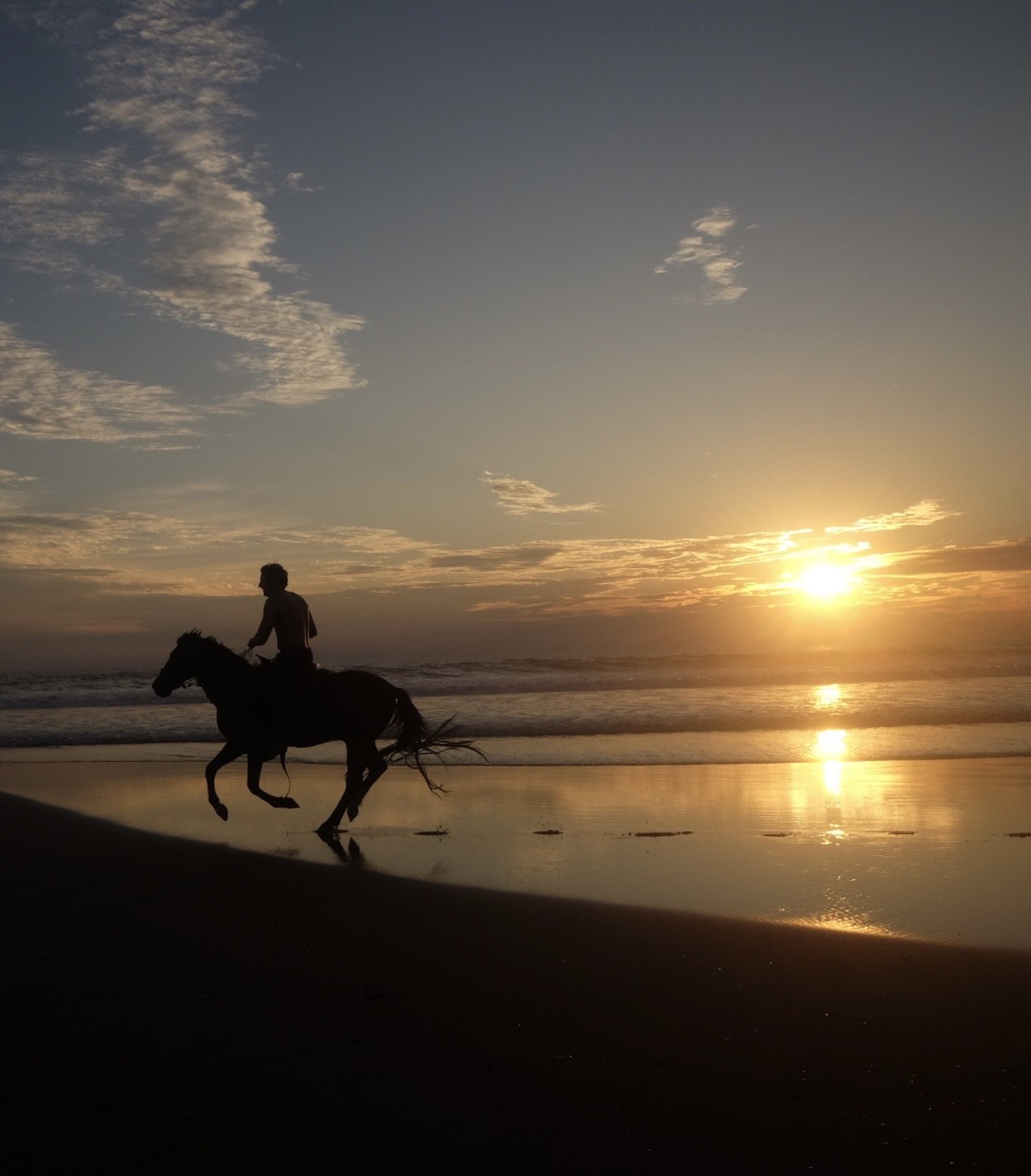
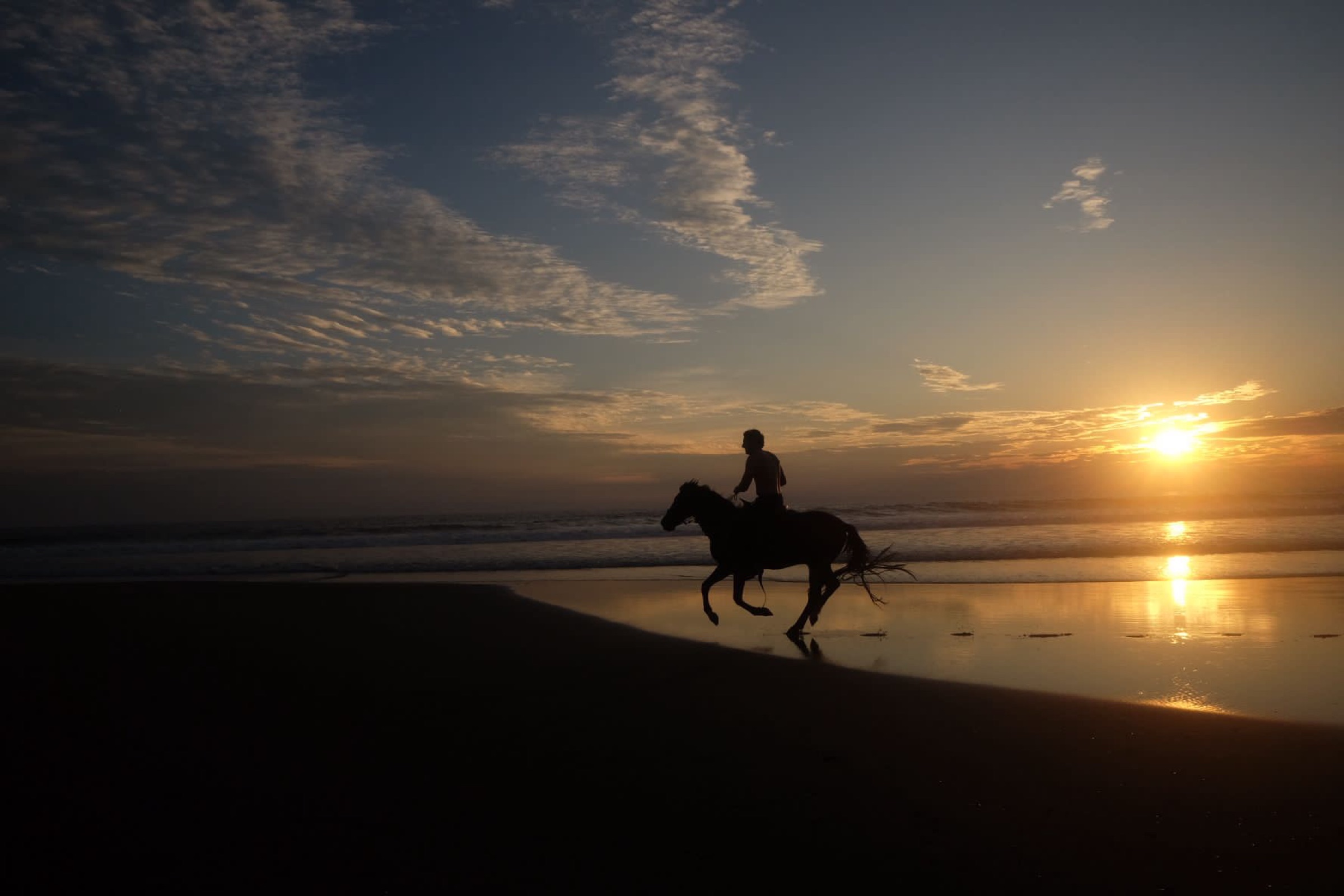
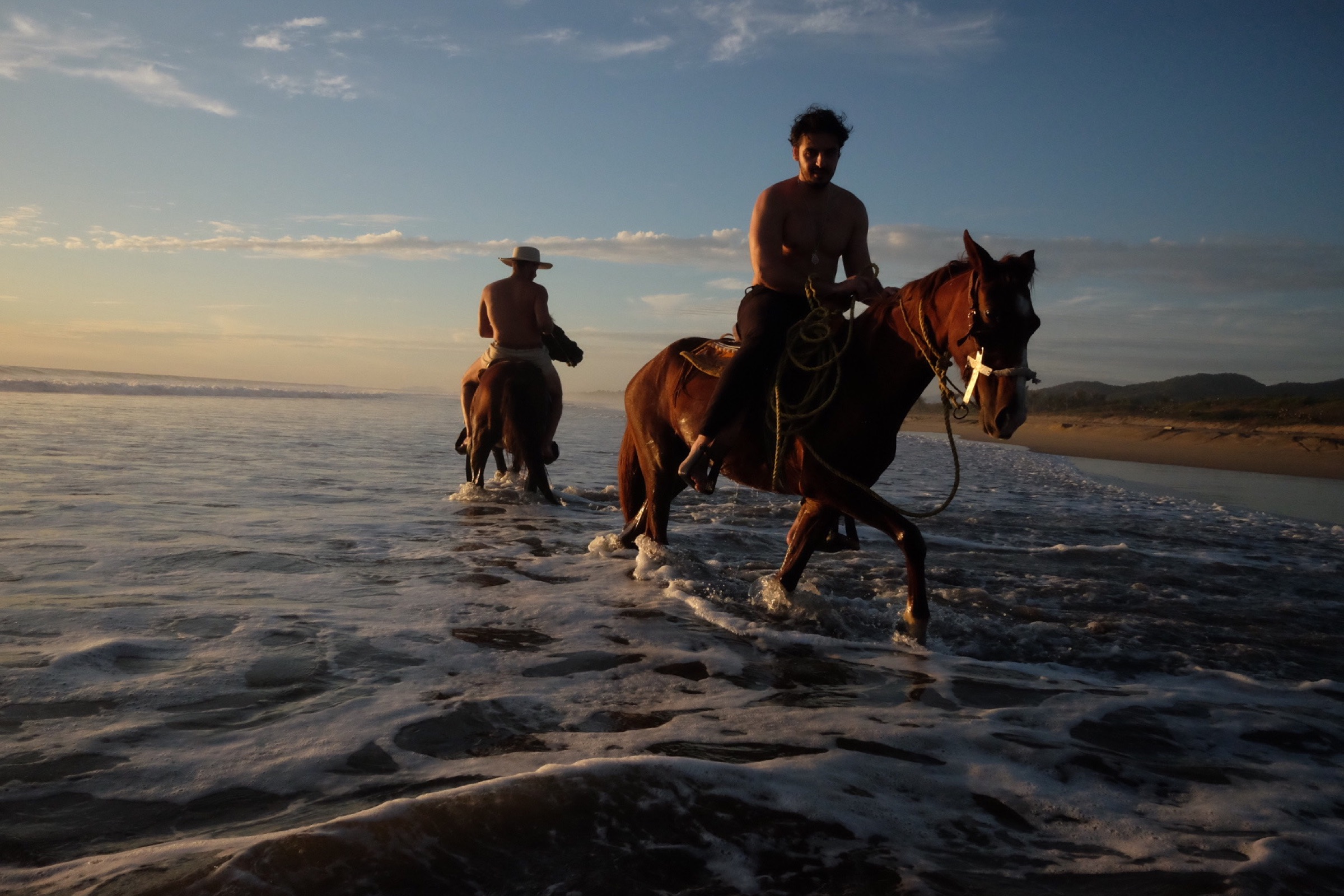
Motion carries the middle: the rider along the waterline, the horse in the shallows, the long lens holding as they cross frame. Transit sequences are what let a cut jump hundreds of miles without the viewer losing the thread.
The grade shifts from blue to gold across a single cut. Arrival is a colour change before it is a location, which is why the strongest hospitality films spend their budget on the hour either side of sunset.
The closing sequence stays on a single figure in still water while the sky burns out. Long holds are what separate a brand film from a montage. They ask the viewer to feel something rather than to keep up.
One shoot, one delivery. Every asset arrives named, in the format it was cut for, with the channel it was made to run on written against it.
Exact territory, channel, and duration are set in the usage agreement before production begins, so nothing about where the work can run is left ambiguous after delivery.